
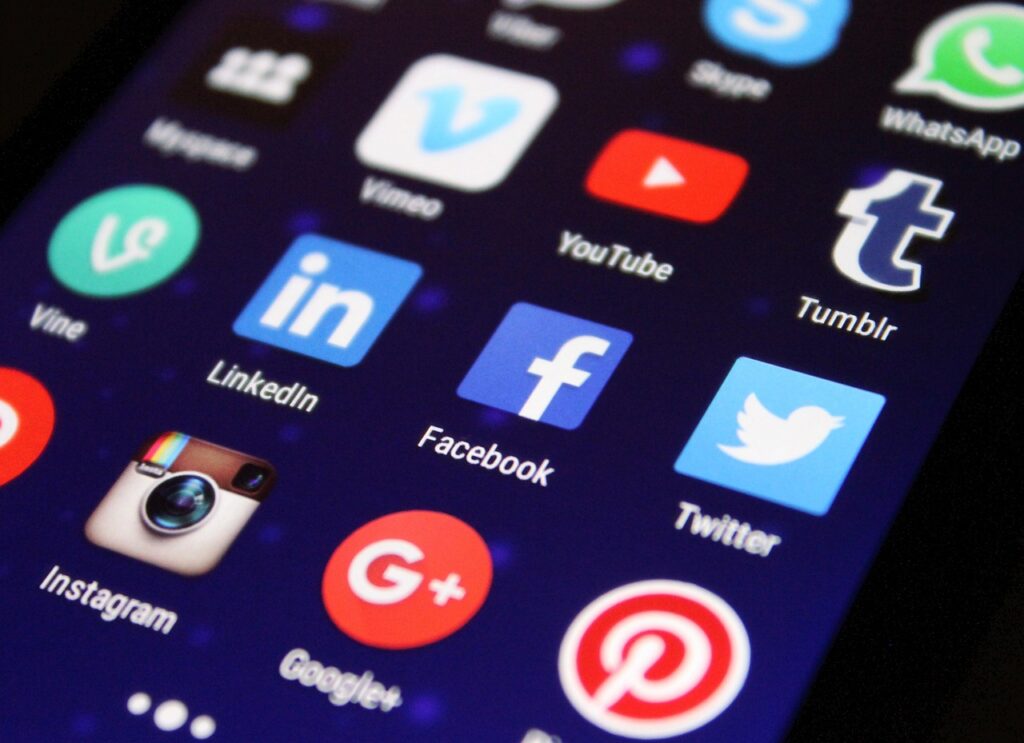
In today’s digital age, social media has become a powerful tool for businesses of all sizes. For small businesses, in particular, social media marketing represents an invaluable opportunity to compete with larger competitors, connect with customers, and grow their brand. By leveraging social media platforms effectively, small businesses can achieve significant results without the need for a massive marketing budget. This essay explores why social media marketing is crucial for small businesses and how it can drive success.
The Growing Influence of Social Media
Social media platforms such as Facebook, Instagram, Twitter, LinkedIn, and TikTok have billions of active users worldwide. These platforms have transformed how people interact, consume content, and make purchasing decisions. According to recent statistics:
- Over 4.8 billion people use social media globally.
- On average, users spend about 2.5 hours daily on social media.
- 76% of consumers say they’ve purchased a product because they saw it on social media.
For small businesses, this widespread usage offers an unparalleled opportunity to reach and engage with potential customers.
Cost-Effective Marketing Solution
Traditional advertising methods such as TV commercials, print ads, or radio spots can be expensive and out of reach for small businesses with limited budgets. Social media marketing, on the other hand, provides an affordable and scalable solution. Here’s how:
- Free Accounts: Most social media platforms allow businesses to create accounts for free.
- Targeted Advertising: Paid ads on platforms like Facebook and Instagram can be tailored to specific demographics, locations, and interests, ensuring efficient use of marketing dollars.
- Content Creation: Small businesses can leverage user-generated content, photos, and videos to engage their audience without high production costs.
Building Brand Awareness
One of the most significant advantages of social media marketing is its ability to increase brand visibility. Small businesses can:
- Showcase their unique selling points (USPs).
- Build a consistent brand identity through visuals, messaging, and tone.
- Engage with followers through regular posts, stories, and live sessions.
For instance, an artisanal bakery can share mouthwatering images of its creations on Instagram, host live Q&A sessions on Facebook, or collaborate with local influencers to reach a broader audience.
Enhancing Customer Relationships
Social media offers a direct line of communication between businesses and their customers. This can foster trust and loyalty in several ways:
- Real-Time Engagement: Responding to comments, messages, and reviews shows that a business values its customers.
- Personalized Interactions: Small businesses can build stronger connections by addressing customers by name and tailoring their responses.
- Gathering Feedback: Social media provides a platform for customers to voice their opinions, helping businesses improve their products and services.
Driving Website Traffic and Sales
A strong social media presence can drive traffic to a business’s website and convert followers into customers. Strategies include:
- Sharing blog posts or product pages with clickable links.
- Running promotions or limited-time offers exclusively for social media followers.
- Incorporating shoppable posts and features like Instagram’s “Shop Now” button.
Competitive Edge in the Market
Small businesses can use social media to carve out a niche and stand out from competitors. Tactics include:
- Highlighting customer testimonials and success stories.
- Offering behind-the-scenes looks at operations to showcase authenticity.
- Staying active in online communities relevant to their industry.
Challenges and How to Overcome Them
While the benefits of social media marketing are clear, small businesses may face challenges such as limited time, expertise, or resources. Solutions include:
- Scheduling Tools: Platforms like Buffer or Hootsuite allow businesses to plan and automate posts.
- Outsourcing: Hiring freelance social media managers or agencies can provide professional expertise.
- Learning Resources: Free courses on platforms like LinkedIn Learning or HubSpot can help small business owners enhance their skills.
Conclusion
Social media marketing is no longer optional for small businesses—it’s a necessity. By leveraging the power of social media, small businesses can build brand awareness, foster customer relationships, drive sales, and compete in a crowded marketplace. With its cost-effective nature and vast reach, social media marketing empowers small businesses to achieve big results, making it an essential component of any modern business strategy. Embracing this dynamic tool ensures that small businesses remain relevant and successful in the ever-evolving digital landscape.